

On my recent trip to Dubai it wasn’t just the sea, sun and sand I was looking forwards too…Working within the automotive industry it is essential to stay up to date with the development of new vehicles, trends and developments within the market and what better place to learn more about the future of Automotive, than the Museum of the Future.
Electric vehicles have already been rapidly gaining momentum worldwide due to environmental concerns and technological advancements, however the automotive industry is now also exploring alternative fuels and sustainable materials to further reduce environmental impact. With the push towards zero emissions, EV’s are becoming the standard- going forwards it is expected that vehicles will have longer ranges, faster charging times, and a more widespread charging infrastructure. Some vehicles will also incorporate solar panels or other forms of energy harvesting such as to capture and reuse energy generated from braking or other movements to improve efficiency and increase their range and to reduce reliance on external power sources. Hydrogen-powered vehicles are another sustainable alternative, offering quick refueling and long ranges, especially useful for heavy-duty vehicles like trucks and buses.
Autonomous technology is also progressing , with self-driving features becoming common in most new cars, however development is now underway for fully autonomous vehicles which will navigate without any human intervention, this is being developed with a view to make transportation safer and more efficient due to the vehicles using AI, sensors, and cameras to detect and react to the environment around them.
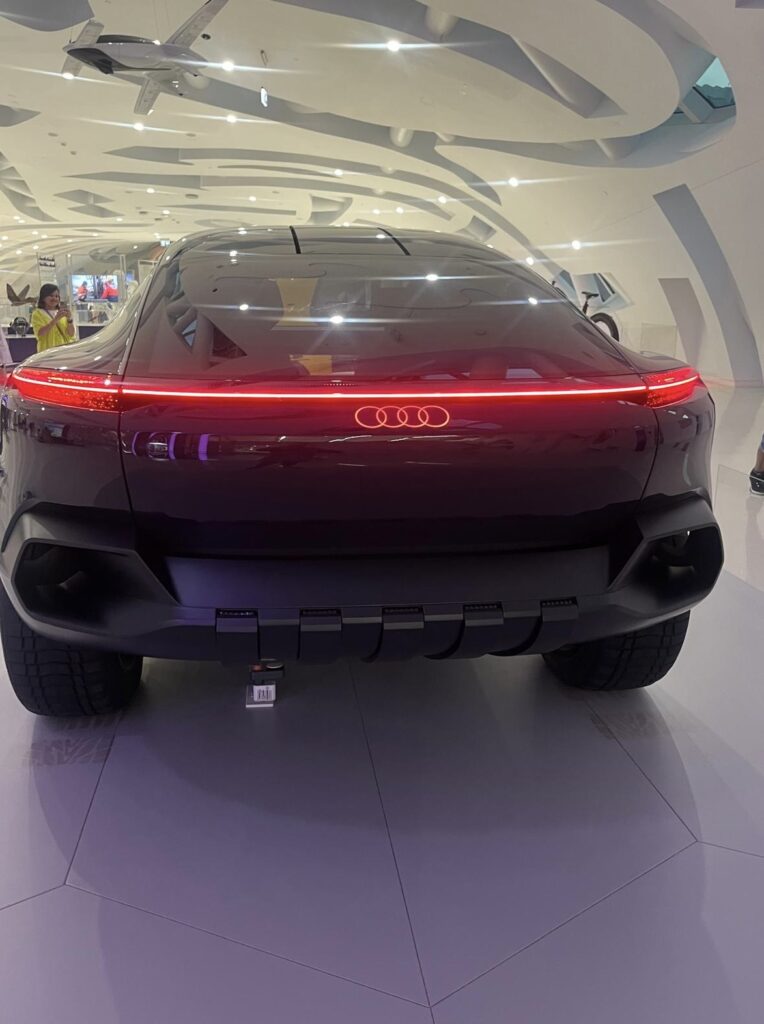
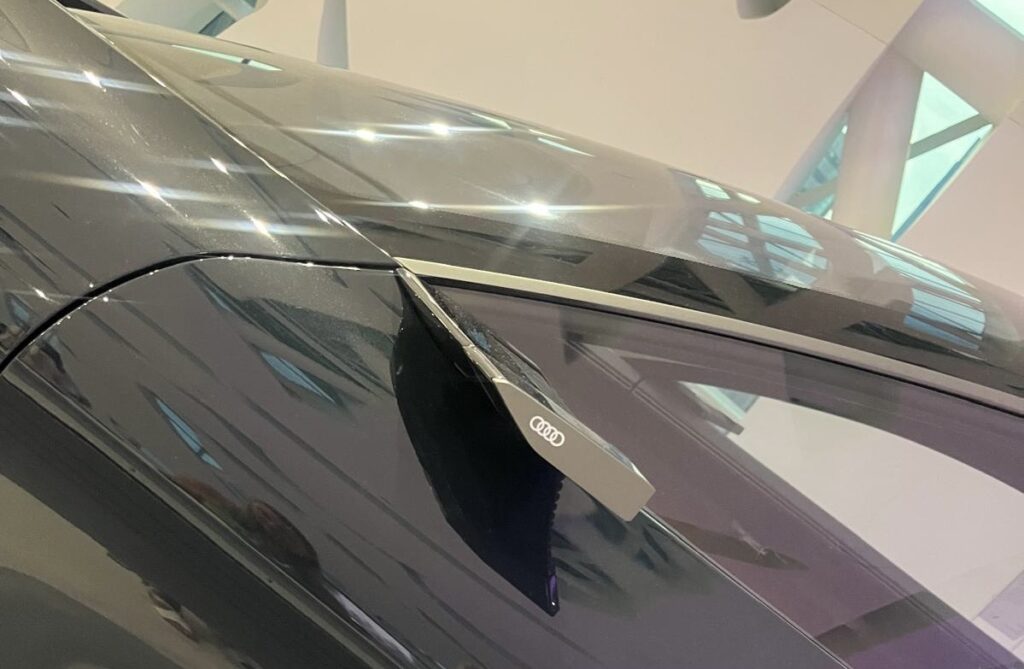
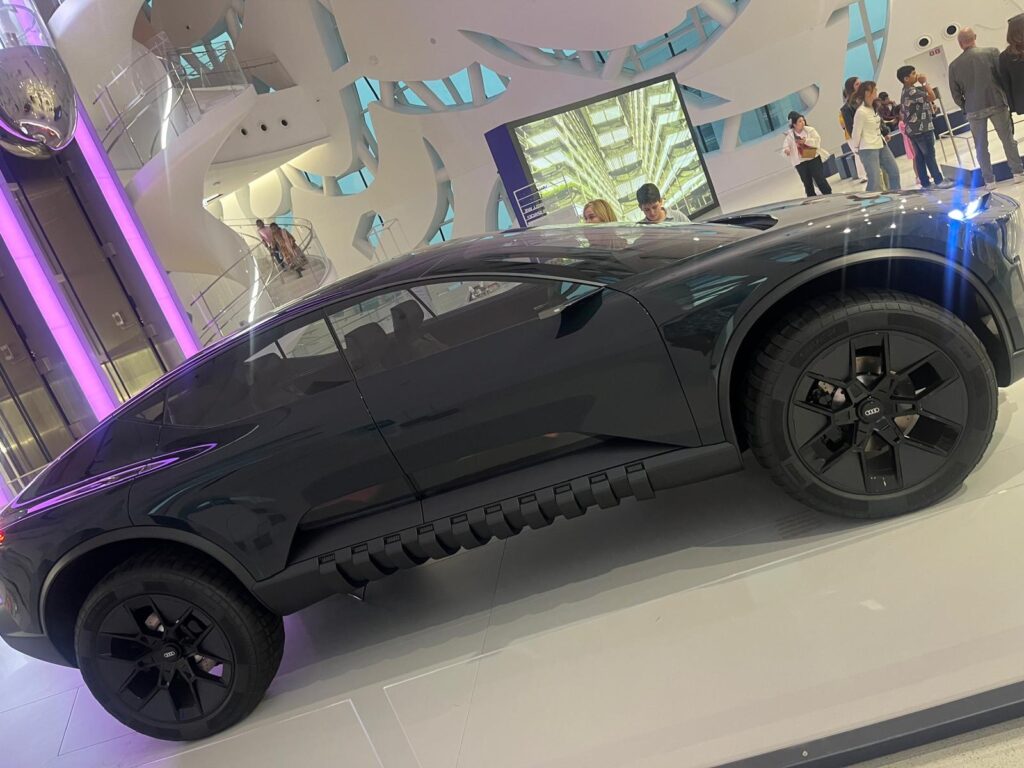
Connectivity is key, with cars becoming more integrated with smartphones and other devices, enabling features like remote control and advanced navigation. Vehicles will communicate with each other and with local surroundings to optimise traffic flow, reduce accidents, and improve driving experiences. Vehicles of the future will all have advanced AI to personalise driving experiences, predict maintenance needs, and enhance entertainment and comfort for passengers. Augmented reality (AR) windshields and heads-up displays will also become common to provide drivers with real-time information about their surroundings, navigation, and vehicle status, all without taking their eyes off the road.
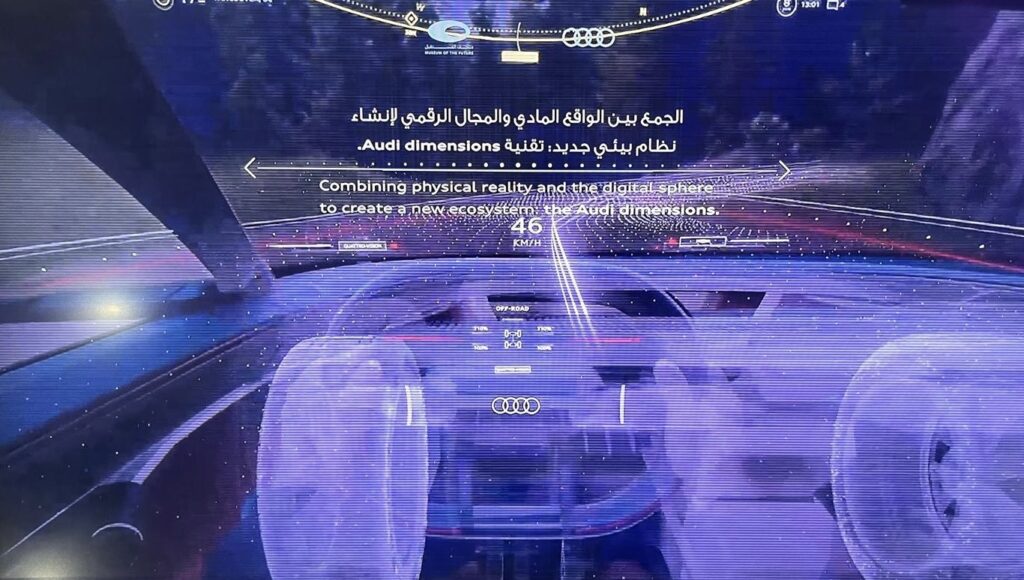
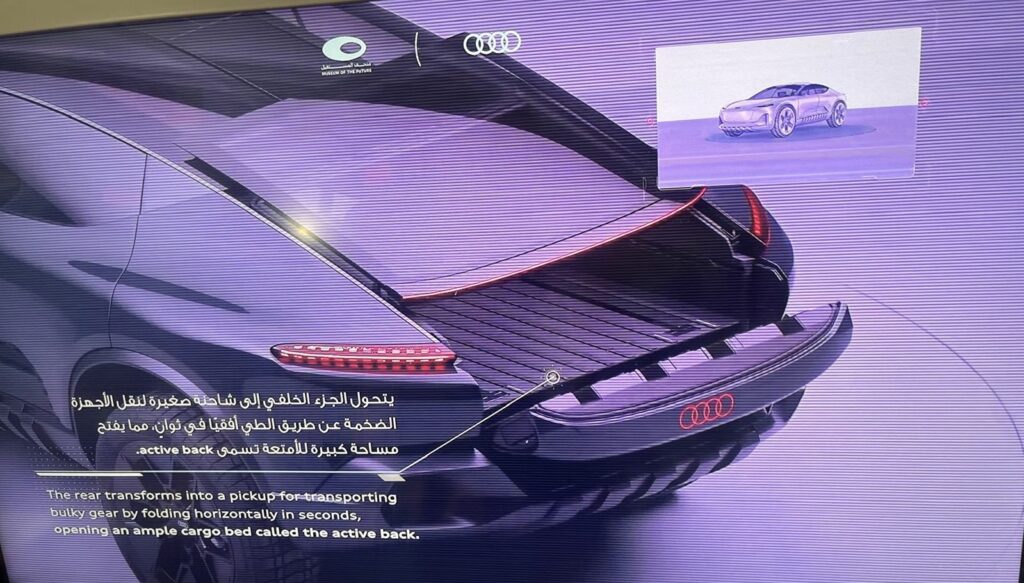
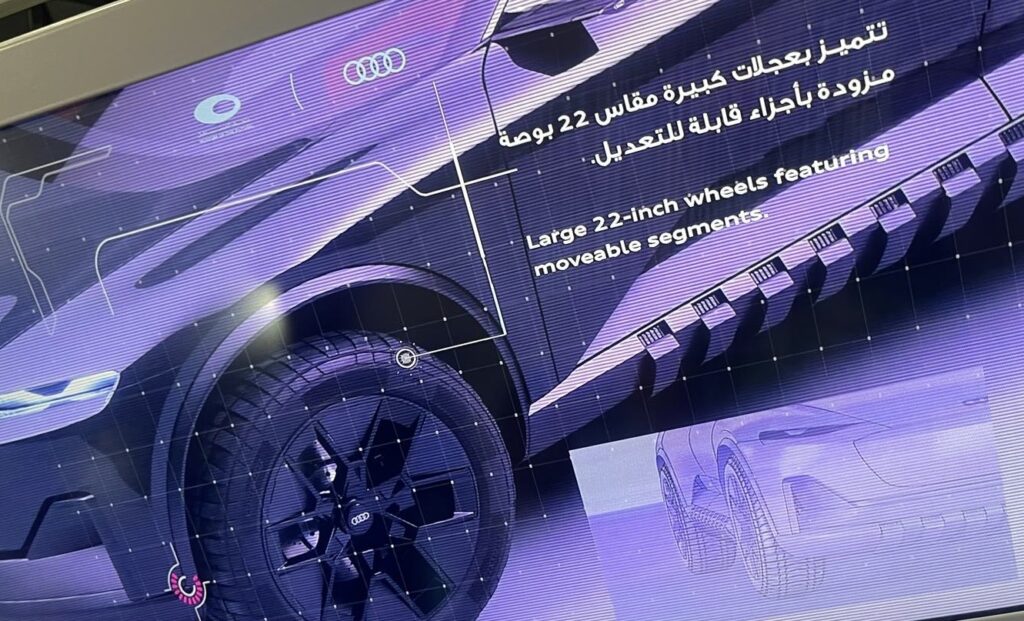
The future of automotive undeniably will be created with more sustainable materials and manufacturing methods such as 3D printing, this technology could revolutionise vehicle production, allowing for customisable parts and reducing waste in manufacturing, and it is likely vehicles will be produced with Eco-Friendly Materials that are, recyclable, and lightweight, reducing their environmental impact even further.
Aside from the traditional type of vehicle that we know today companies are now developing electric Vertical Take-Off and Landing (EVTOL) vehicles, the concepts created combine driving and flying capabilities, in order to try and create a seamless transition between road and air travel. These vehicles are likely to serve as air taxis, reducing congestion on the ground and the construction of the first air taxi station in Dubai will begin this year and are predicted to be fully functional by 2026.
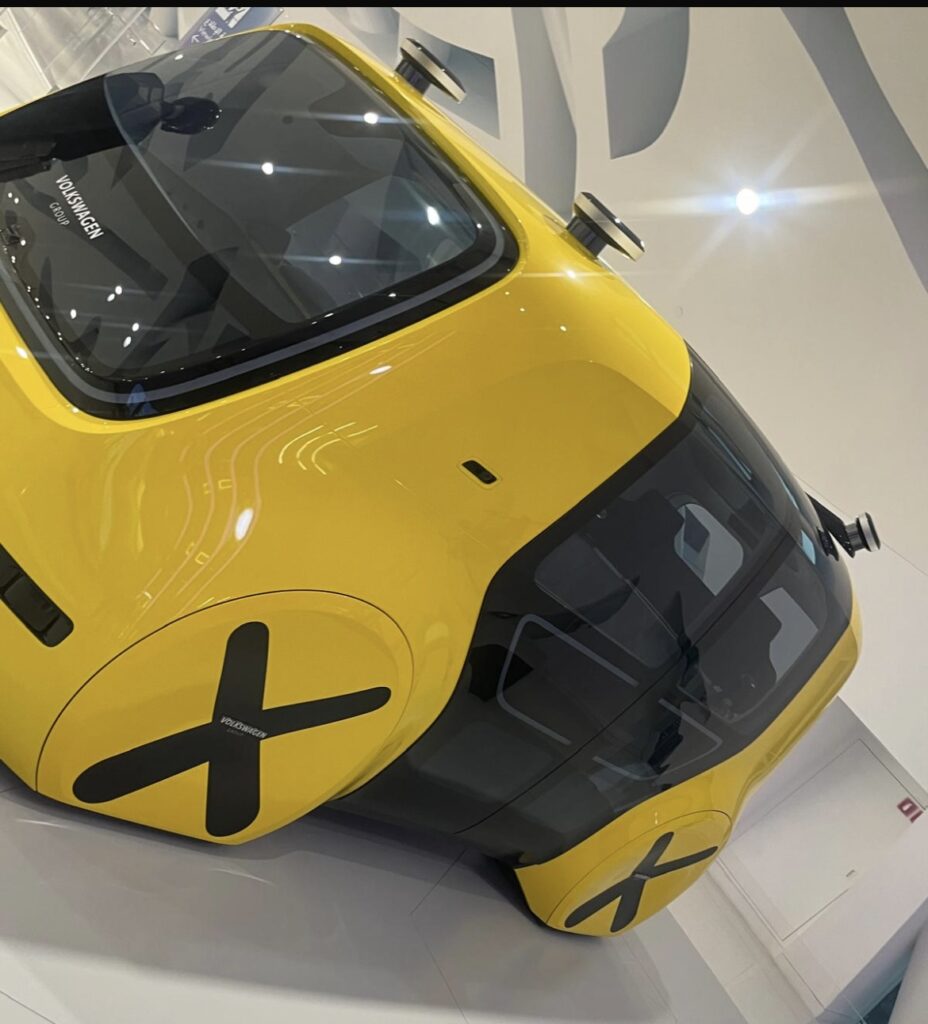
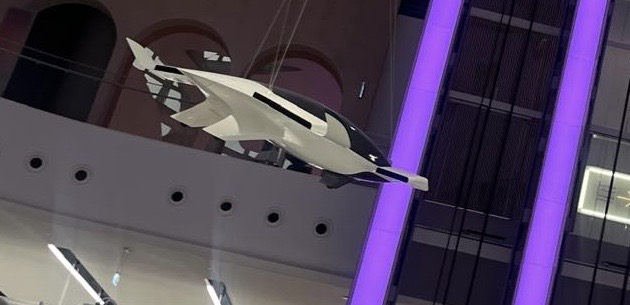
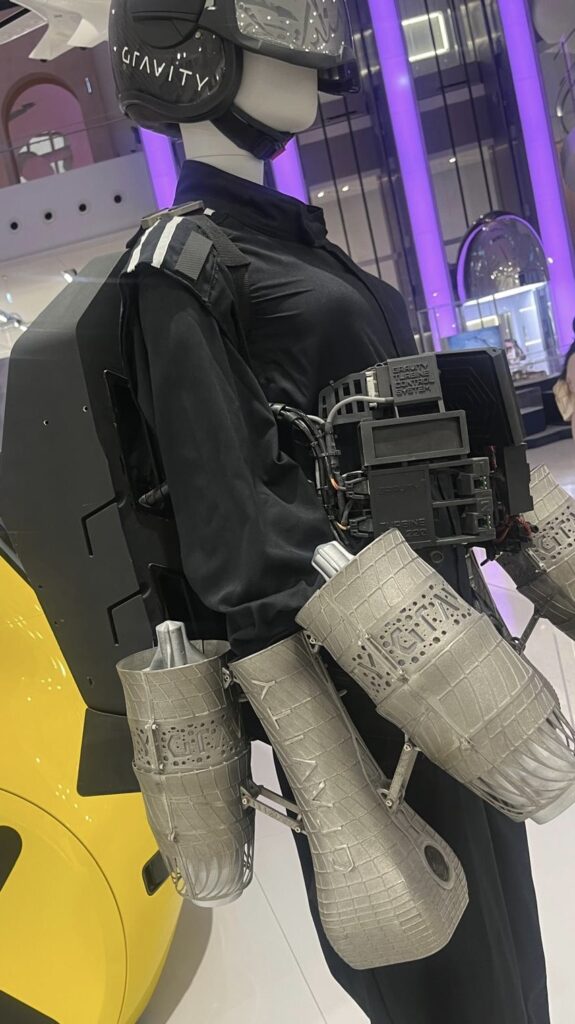
With companies like SpaceX and Blue Origin pushing the boundaries of space travel, personal space vehicles might become a reality for the wealthy, paving the way for space tourism. Emerging technologies might also lead to the development of personal flight devices, offering a new mode of transportation for short distances.
The vehicles of the future will likely integrate several of these innovations, fundamentally changing how we travel, reducing our carbon footprint, and creating new possibilities for mobility. The future of the automotive sector The future of automotive is undoubtedly shaping up to be electric and autonomous and whilst it promises significant advancements in efficiency, safety, and convenience, it also brings challenges that need to be addressed. Balancing technological innovation with environmental sustainability, ethical considerations, and equitable access will be key to the full potential of next-generation vehicles.
It is safe to say there are numerous advantages and potential drawbacks to the changes to come within in the automotive world, one thing is guaranteed though, we will have to adapt to change. With the private hire market being one of the sectors most affected by the above, how do you see the future of the automotive world affecting you?